
About us
Nestled in the heart of the Kashmir Valley and cradled by the majestic Himalayas, Srinagar is a city of extraordinary natural beauty, deep cultural heritage, and timeless charm. Serving as the summer capital of Jammu and Kashmir, Srinagar has for centuries been celebrated as a place where nature, history, and tradition blend seamlessly The city is best known for its iconic Dal Lake and Nigeen Lake, whose tranquil waters reflect snow-capped mountains and willow-lined shores. The traditional houseboats and colorful shikaras gliding across these lakes offer a unique lifestyle found nowhere else in the world, making Srinagar a symbol of romantic elegance and serene living. These water bodies are not just tourist attractions but an integral part of the city’s identity and daily life Srinagar’s historical legacy is vividly reflected in its magnificent Mughal Gardens—Shalimar Bagh, Nishat Bagh, and Chashme Shahi—designed with Persian aesthetics and terraced layouts that celebrate symmetry, flowing water, and panoramic views. These gardens stand as reminders of the city’s importance during the Mughal era and continue to enchant visitors with their seasonal beauty The spiritual fabric of Srinagar is equally rich and diverse. Sacred landmarks such as the Hazratbal Shrine, which houses a revered relic of Prophet Muhammad, and the ancient Shankaracharya Temple, perched atop a hill overlooking the city, highlight Srinagar’s long-standing tradition of religious harmony. Historic temples, mosques, and shrines coexist, reflecting the city’s pluralistic cultural roots Srinagar is also renowned for its vibrant Kashmiri culture, expressed through traditional music, handicrafts, and cuisine. The city is a global center for exquisite handloom products such as Pashmina shawls, silk carpets, papier-mâché, and intricate woodwork. The local markets, including Lal Chowk and the old city bazaars, offer a sensory experience filled with color, craftsmanship, and heritage The culinary traditions of Srinagar are deeply distinctive, with the famed Wazwan cuisine standing at the heart of Kashmiri hospitality. Rich, aromatic dishes prepared with precision and tradition showcase the city’s love for food as a cultural expression rather than mere sustenance Seasonally, Srinagar transforms dramatically. Spring brings blooming tulips and gardens in full color, summer offers pleasant weather and lush greenery, autumn paints the city in golden hues, and winter blankets it in snow, turning Srinagar into a quiet, ethereal landscape. Each season reveals a different face of the city, making it captivating year-round.
Srinagar Culture &Tradition & History
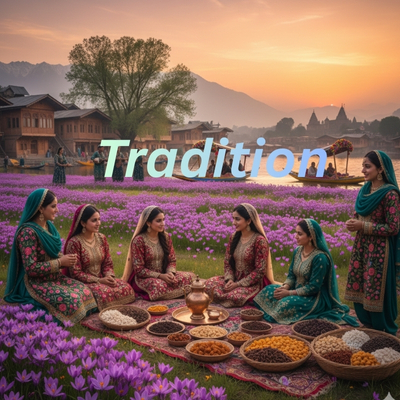
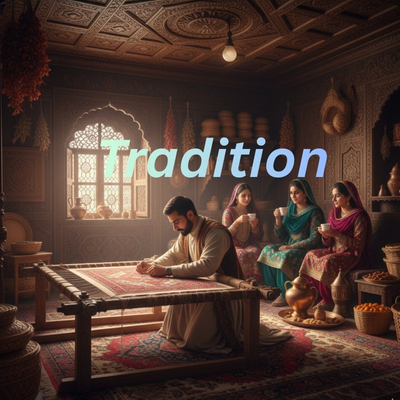
Srinagar reflects a vibrant blend of Kashmiri traditions, art, and everyday life. The city is known for its classical music, poetry, and refined handicrafts such as Pashmina shawls, papier-mâché, and wood carving. Festivals, Sufi shrines, local cuisine like Rogan Josh and Kahwa, and warm hospitality keep the cultural heritage of Kashmir alive and thriving Kashmiri traditions of srinagar

Nestled in the heart of the Kashmir Valley, Srinagar is surrounded by breathtaking natural beauty. Dal Lake, Nigeen Lake, the Jhelum River, and the backdrop of the Zabarwan Hills define its scenic charm. Mughal gardens like Shalimar Bagh and Nishat Bagh, along with chinar-lined avenues and snow-clad mountains, make Srinagar one of India’s most picturesque cities.
Srinagar – A Symphony of Nature and Heritage
This breathtaking aerial view captures the timeless beauty and cultural soul of Srinagar, the summer capital of Jammu and Kashmir, set gracefully within the Kashmir Valley. In the foreground, the tranquil waters of Dal Lake shimmer under soft golden light, dotted with traditional shikaras and elegant houseboats that drift peacefully across the lake’s surface. The gentle movement of these boats reflects the slow, poetic rhythm of life that defines the city.
Bordering the lake, the meticulously designed Mughal Gardens unfold in symmetrical perfection, with manicured lawns, flowing water channels, and centuries-old trees standing as living testaments to Srinagar’s Mughal heritage. These gardens, once created for royal leisure and contemplation, continue to offer visitors a serene escape amid nature’s harmony. Nearby, historic structures rise gracefully from wooded hills, their domes and spires blending spiritual significance with architectural grandeur.
Beyond the gardens, the city spreads out in a dense yet harmonious mosaic of traditional neighborhoods and modern urban life. Low-rise buildings, bustling streets, and residential clusters form a vivid cityscape that reflects Srinagar’s role as a cultural, administrative, and commercial center of the region. The urban fabric is interwoven with patches of green, reminding visitors that nature is never far from daily life here
Essence of Srinagar
1.35M Population
1,585m Average Elevation
1 Major River (Jhelum River)
4 Seasons Pleasant Climate
FAQ
Frequency Asked Question
Srinagar is located in the Kashmir Valley in northern India and serves as the summer capital of Jammu and Kashmir, surrounded by the Himalayas.
Srinagar is famous for Dal Lake, houseboats, Mughal gardens, snow-clad mountains, and traditional Kashmiri handicrafts like Pashmina shawls.
The best time to visit Srinagar is from April to October, when the weather is pleasant and gardens are in full bloom. Winter attracts snow lovers.
Srinagar is well connected by air, road, and rail. Srinagar International Airport has regular flights, and road connectivity is available via Jammu.
The main languages spoken in Srinagar are Kashmiri, Urdu, and English, with Hindi also widely understood.
Yes, Srinagar is generally safe for tourists. Visitors are advised to follow local guidelines and stay updated with travel advisories.
Major attractions include Dal Lake, Mughal Gardens, Shankaracharya Temple, Hazratbal Shrine, Nishat Bagh, and Shalimar Bagh.
Srinagar is known for its rich cuisine such as Rogan Josh, Yakhni, Wazwan dishes, and Kahwa, along with its vibrant cultural traditions.
Srinagar showcases a rich cultural heritage shaped by centuries of Kashmiri traditions, art, and craftsmanship. The city is renowned for its Pashmina shawls, papier-mâché, wood carving, and traditional music. Festivals, Sufi influences, local cuisine, and everyday customs reflect the deep-rooted cultural identity that wood carving, and traditional music continues to thrive in Srinagar.